
Focused shockwave therapy for Pressure sores.
Pressure sores, also known as pressure ulcers or bedsores, are areas of damage to the skin and underlying tissue caused by sustained pressure. They most commonly develop over bony areas such as the heels, hips, elbows and bottom, particularly when someone has limited mobility.
What are pressure sores?
A pressure sore is damage to the skin and/or underlying tissue caused by pressure that reduces the blood supply to the affected area.
Pressure sores can occur with the skin intact or broken and can range from early skin changes to deeper wounds affecting underlying tissue, muscle or bone. They are more common in people who have difficulty changing position or who spend long periods in bed or sitting.
Symptoms
Early signs and symptoms of a pressure sore can include:
- A change in skin colour
- Red, purple or darker areas of skin
- Skin that feels warmer or cooler than the surrounding area
- Pain, tenderness or discomfort
- Swelling or a change in the texture of the skin
- Blistering
- A break in the skin or open wound
- Discharge from the affected area
- Increasing pain, redness, warmth or swelling around a wound
- In more advanced cases, visible damage to deeper tissue
Pressure damage may be less noticeable in people who have reduced sensation, including people with neurological conditions or diabetes. Changes in skin colour can also be harder to identify on darker skin, making regular inspection particularly important.
Causes
Pressure sores develop when sustained pressure reduces the blood supply to an area of tissue. Other forces, including friction and shear, can also contribute to skin and tissue damage.
Factors that can increase the risk include:
- Reduced mobility or difficulty changing position
- Spending prolonged periods in bed or sitting
- Being unable to reposition independently
- Reduced sensation or neurological conditions
- Previous pressure sores
- Poor nutrition or dehydration
- Incontinence or prolonged exposure to moisture
- Poor posture or changes in body shape
- Friction or shearing of the skin
- Medical devices that place pressure on the skin
- Serious illness or general frailty
Several risk factors may occur together, increasing the likelihood of pressure damage.
Diagnosis
Pressure sores are usually assessed through examination of the skin and affected area, together with an assessment of the person's mobility, health and risk factors.
During your assessment, your clinician may discuss:
- When the skin changes or wound first appeared
- How much time you spend sitting or lying down
- Your ability to change position independently
- Any changes in sensation or pain
- Your nutritional and hydration status
- Any problems with continence or moisture
- Previous pressure sores
- Your current seating, mattress or other support equipment
- Any medical conditions that may affect healing
- The location, size, depth and appearance of the affected area
The affected area may be assessed regularly to monitor whether the pressure damage is improving or progressing. More serious wounds may require further assessment or referral to a specialist wound-care or multidisciplinary team.
If you have noticed a pressure sore or changes to the skin caused by pressure, you can arrange a consultation with our Advanced Clinical Pharmacist to discuss your symptoms and have the affected area assessed.
Your Advanced Clinical Pharmacist can help identify contributing factors and discuss appropriate treatment or referral where required.
Treatment
Treatment depends on the severity of the pressure sore and the factors contributing to it. The first priority is to remove or reduce pressure from the affected area and prevent further damage.
Treatment may include:
- Pressure relief: changing position and avoiding continued pressure on the affected area are central to treatment
- Repositioning: a suitable repositioning plan can help reduce pressure and protect vulnerable areas
- Pressure-relieving equipment: specialist mattresses, cushions and other support surfaces may be recommended depending on individual risk
- Wound care: the wound may need cleaning, dressing and regular monitoring
- Debridement: where appropriate, dead or damaged tissue may need to be removed by a suitably trained healthcare professional
- Nutrition and hydration: nutritional assessment and appropriate dietary support may be important where poor nutrition is affecting skin health or wound healing
- Managing moisture: appropriate skin care and management of incontinence can help protect vulnerable skin
- Infection management: signs of infection require appropriate clinical assessment and treatment
- Rehabilitation and mobility: where appropriate, physiotherapy and rehabilitation can help improve mobility and reduce prolonged pressure
- Specialist wound care: deeper or complex pressure ulcers may require specialist wound-care or multidisciplinary management
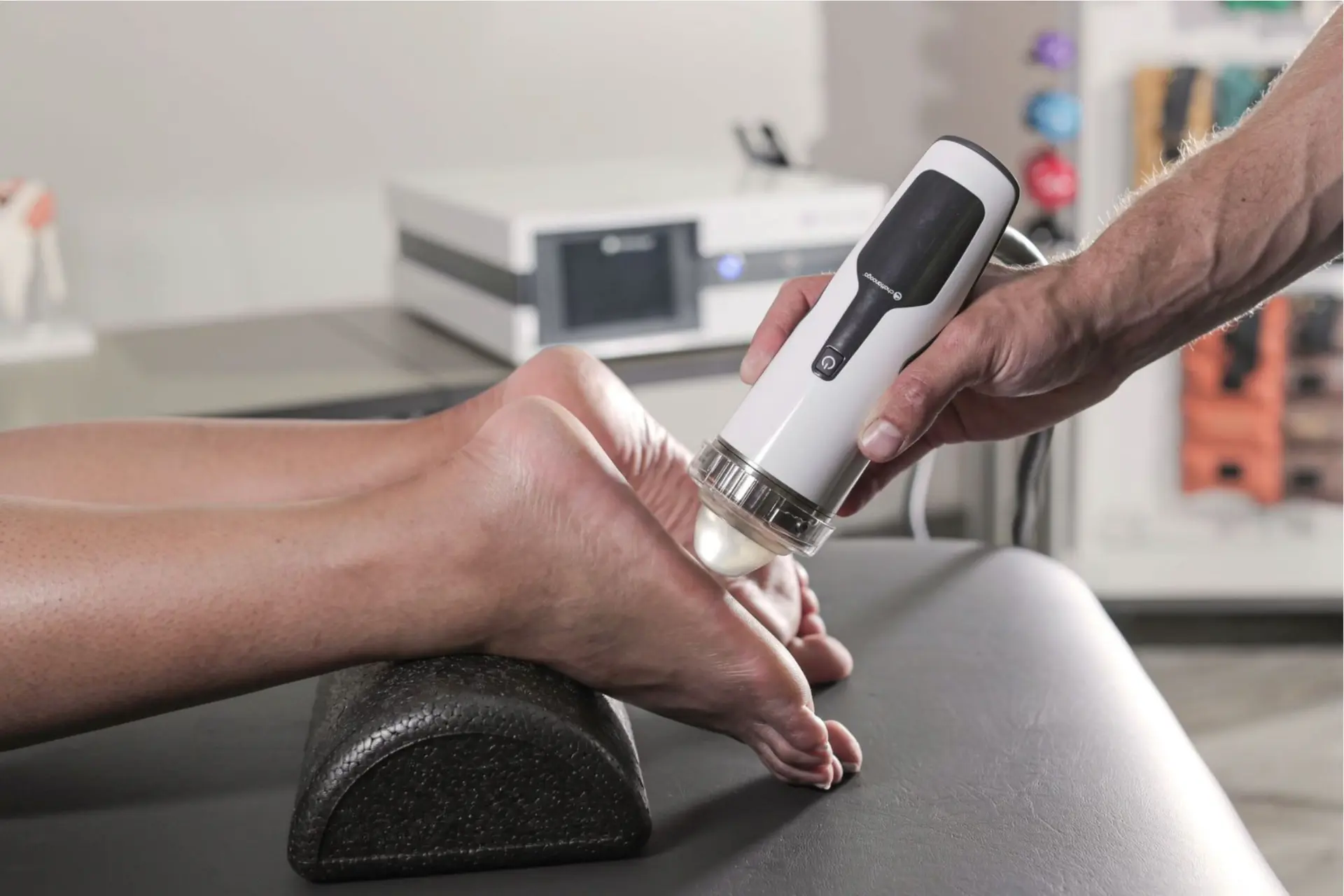
Focused Shockwave Therapy should not be presented as a routine treatment for pressure sores.
For an established pressure ulcer, the priority is pressure relief, appropriate wound care and management of factors that may be preventing healing. NICE guidance recommends approaches such as repositioning, suitable pressure-relieving surfaces, wound care and addressing nutritional or other contributing factors.
If a patient with a pressure sore also has a separate musculoskeletal condition, Focused Shockwave Therapy may potentially be considered for that separate condition following appropriate clinical assessment. It should not replace pressure-ulcer assessment or established wound management.
Prevention
Preventing pressure sores involves identifying individual risk factors and reducing prolonged pressure on vulnerable areas.
Helpful measures include:
- Change position regularly and follow an individual repositioning plan where one has been provided
- Keep moving as much as your condition safely allows
- Use appropriate pressure-relieving mattresses, cushions or other equipment when recommended
- Check vulnerable areas of skin regularly for changes in colour, temperature, texture or pain
- Keep skin clean, dry and appropriately moisturised
- Manage moisture and incontinence appropriately
- Avoid friction and dragging when changing position
- Maintain adequate nutrition and hydration
- Ensure footwear, seating and other equipment fit appropriately
- Ask for help with repositioning if you are unable to move independently
- Seek professional advice promptly if you notice early signs of pressure damage
If you notice a new pressure sore, rapidly worsening skin damage, increasing pain, spreading redness or swelling, discharge, fever or other signs of infection, seek prompt medical assessment. Early assessment and pressure relief can help prevent the damage from becoming deeper or more difficult to treat.
Book your shockwave assessment.
Start with a £55 initial specialist assessment, or book treatment directly if you already have a confirmed diagnosis.
Other conditions treated with focused shockwave therapy
Plantar Fasciitis
Plantar fasciitis is a common cause of heel and foot pain. Here is what to look out for, how it is diagnosed, and the treatment options available — including focused shockwave therapy.
Learn more about plantar fasciitisTennis & Golfer's Elbow
Tennis elbow and golfer's elbow are common causes of pain around the elbow. Here is what to look out for, how they are diagnosed, and the treatment options available — including focused shockwave therapy.
Learn more about tennis & golfer's elbowAchilles Tendinopathy
Achilles tendinopathy is a common cause of pain and stiffness at the back of the ankle. Here is what to look out for, how it is diagnosed, and the treatment options available — including focused shockwave therapy.
Learn more about achilles tendinopathy