
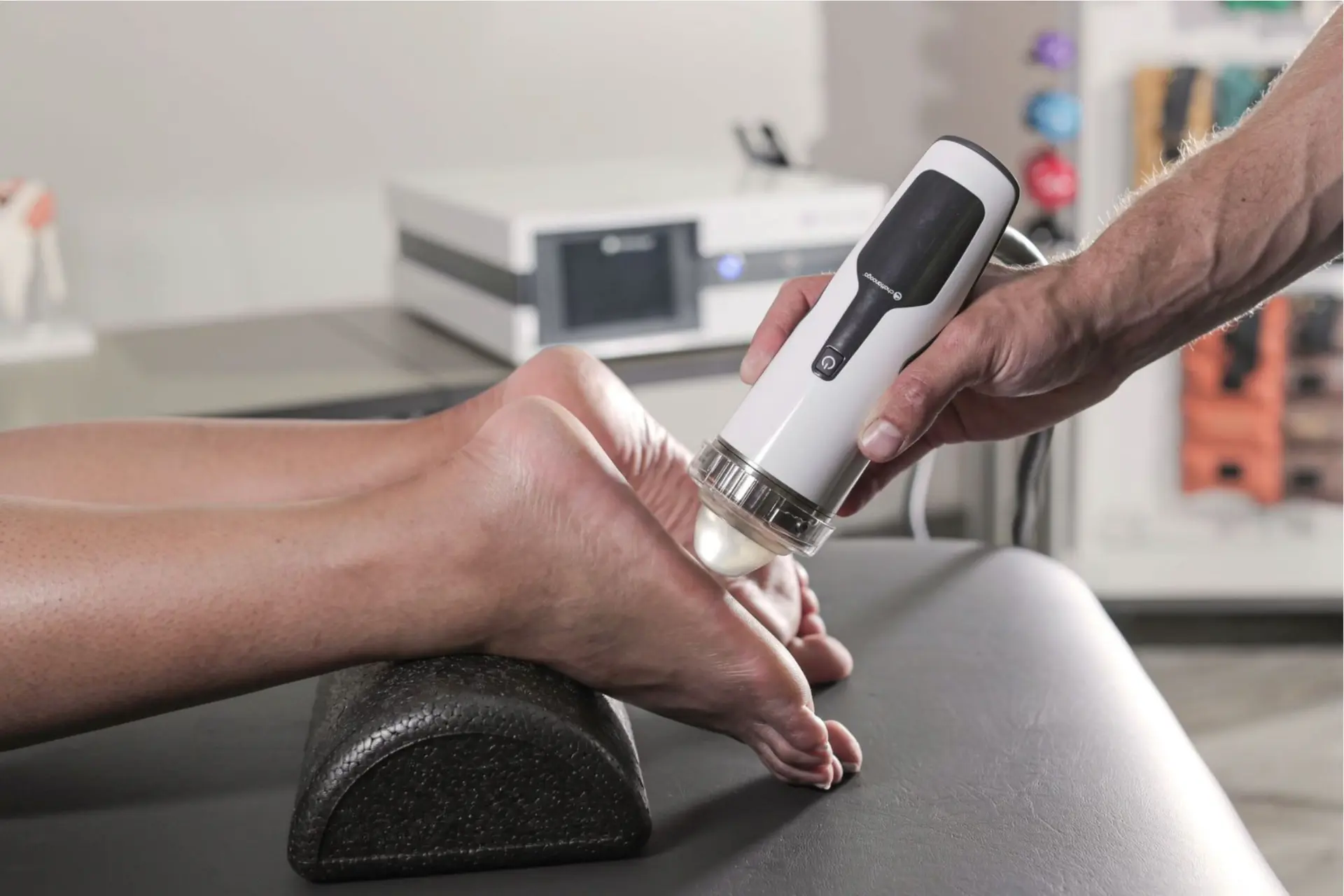
Focused shockwave therapy for Poorly healing wounds.
Most wounds begin to heal naturally after an injury, operation or other tissue damage. When a wound fails to heal as expected or remains open for a prolonged period, it may be described as a poorly healing or chronic wound. Identifying the underlying reason for delayed healing is an important part of treatment.
What are poorly healing wounds?
A poorly healing wound is a wound that is taking longer than expected to heal or has stopped progressing through the normal stages of healing.
Poorly healing wounds can occur in many parts of the body and may include surgical wounds, leg ulcers, diabetic foot ulcers, pressure ulcers and wounds following injury. The underlying cause can vary considerably between individuals.
Symptoms
Signs that a wound may not be healing normally can include:
- A wound that remains open for longer than expected
- Little or no reduction in wound size over time
- Persistent redness or inflammation around the wound
- Swelling around the affected area
- Ongoing pain or tenderness
- Persistent or increasing wound discharge
- Excessive or unusual tissue within the wound
- Skin changes around the wound
- Recurrent breakdown after the wound appears to improve
- An unpleasant smell from the wound
- Increasing warmth, redness or swelling
- Reduced function or difficulty using the affected area
A wound can be slow to heal without being infected. Persistent wounds may also become colonised with bacteria without requiring antibiotic treatment, so assessment for clinical signs of infection is important.
Causes
There are many possible reasons why a wound may heal slowly.
Common contributing factors include:
- Poor circulation: reduced blood supply can limit the oxygen and nutrients reaching the wound
- Diabetes: diabetes can affect circulation, sensation and the body's ability to heal wounds
- Infection: a clinically infected wound may become more difficult to heal and can require specific treatment
- Pressure: continued pressure on an area can prevent healing and cause further tissue damage
- Venous disease: problems with the veins can cause swelling and changes in the tissues of the lower leg
- Repeated trauma: friction, pressure or movement can repeatedly disturb a healing wound
- Poor nutrition: inadequate nutrition can affect the body's ability to repair damaged tissue
- Smoking: smoking can adversely affect circulation and tissue healing
- Certain medications or medical conditions: some conditions and treatments can interfere with normal wound healing
- Large or complex wounds: extensive tissue damage may naturally require longer to heal
Several factors can occur together, so identifying the underlying cause is an important part of managing a poorly healing wound.
Diagnosis
A poorly healing wound should be assessed to establish why healing is delayed and whether there are any complications.
During your assessment, your Advanced Clinical Pharmacist may discuss:
- When and how the wound developed
- Any previous treatment or surgery
- Changes in the size or appearance of the wound
- Pain, discharge or other symptoms
- Your medical history, including diabetes or vascular conditions
- Smoking, nutrition and other factors that may affect healing
- Your mobility and activity levels
- Any pressure, friction or repeated trauma affecting the area
- Previous wounds or ulcers
Your Advanced Clinical Pharmacist may examine the wound and surrounding skin, assess its size and appearance, and evaluate factors such as circulation, sensation, swelling and pressure.
Further investigations may be recommended depending on the suspected cause. These can include blood tests, vascular assessment, imaging, wound cultures where clinically indicated, or referral to a specialist wound-care, vascular, diabetic-foot or surgical team.
If you have a wound that is not healing as expected, you can arrange a consultation with our Advanced Clinical Pharmacist to discuss your symptoms and have the affected area assessed.
Your Advanced Clinical Pharmacist can help identify possible reasons for delayed healing and discuss appropriate treatment or referral where required.
Treatment
Treatment depends on the type of wound and the reason it is not healing.
Treatment options may include:
- Wound care: cleaning, dressing and regularly monitoring the wound to create an appropriate environment for healing
- Debridement: removing dead or damaged tissue when clinically appropriate can form part of wound management
- Treating infection: if a wound is clinically infected, appropriate antimicrobial treatment may be required. Antibiotics are not routinely needed for wounds that are not clinically infected
- Improving circulation: where poor arterial or venous circulation is contributing to delayed healing, appropriate vascular treatment may be required
- Pressure relief: pressure-relieving measures may be important for pressure ulcers and some diabetic foot wounds
- Offloading: reducing pressure through appropriate footwear, devices or other methods can be important for wounds affecting weight-bearing areas
- Managing underlying conditions: good management of diabetes, vascular disease and other health conditions can support wound healing
- Nutrition: nutritional assessment and appropriate dietary support may be recommended where nutritional factors are contributing to delayed healing
- Smoking cessation: stopping smoking can support overall vascular and tissue health
- Specialist wound care: complex or persistent wounds may require multidisciplinary management and, in selected cases, treatments such as negative pressure wound therapy or other specialist interventions
Focused Shockwave Therapy should not be presented as a routine treatment for all poorly healing wounds.
The cause of delayed healing needs to be established first. For example, a wound caused by arterial insufficiency may require vascular treatment, while a pressure ulcer requires effective pressure relief and a diabetic foot ulcer may require offloading and specialist diabetic-foot care.
Some forms of extracorporeal shockwave therapy have been investigated as adjunctive treatments for particular chronic wounds, but the evidence and recommendations vary according to wound type and underlying cause. For example, current IWGDF guidance does not support physical therapies such as extracorporeal shockwave therapy as routine treatment for diabetes-related foot-ulcer wound healing.
If you have a poorly healing wound, our Advanced Clinical Pharmacist can first assess the wound and its underlying factors and determine whether Focused Shockwave Therapy has any appropriate role in your individual treatment plan.
Prevention
Not all poorly healing wounds can be prevented, but several measures can help support normal wound healing and reduce the risk of complications.
Helpful measures include:
- Keep wounds clean and appropriately covered
- Follow wound-care and dressing instructions provided by your healthcare professional
- Avoid repeatedly putting pressure or friction on a healing wound
- Wear appropriate footwear where wounds affect the feet or lower legs
- Manage diabetes, blood pressure and other underlying conditions as advised
- Stay physically active within your individual ability
- Maintain adequate nutrition and hydration
- Avoid smoking
- Look after your skin and check vulnerable areas regularly
- Seek assessment if a wound is not improving as expected
- Follow up regularly if you have a chronic wound or are at increased risk of poor healing
If a wound becomes increasingly painful, red, swollen or warm, develops discharge or an unpleasant smell, or you develop a fever or feel generally unwell, seek prompt medical assessment as these can be signs of infection.
Book your shockwave assessment.
Start with a £55 initial specialist assessment, or book treatment directly if you already have a confirmed diagnosis.
Other conditions treated with focused shockwave therapy
Plantar Fasciitis
Plantar fasciitis is a common cause of heel and foot pain. Here is what to look out for, how it is diagnosed, and the treatment options available — including focused shockwave therapy.
Learn more about plantar fasciitisTennis & Golfer's Elbow
Tennis elbow and golfer's elbow are common causes of pain around the elbow. Here is what to look out for, how they are diagnosed, and the treatment options available — including focused shockwave therapy.
Learn more about tennis & golfer's elbowAchilles Tendinopathy
Achilles tendinopathy is a common cause of pain and stiffness at the back of the ankle. Here is what to look out for, how it is diagnosed, and the treatment options available — including focused shockwave therapy.
Learn more about achilles tendinopathy