
Focused shockwave therapy for Non-union / pseudarthrosis.
Non-union, also known as pseudarthrosis, occurs when a fractured bone fails to heal as expected. Here is what to look out for, how it is diagnosed, and the treatment options available — including focused shockwave therapy.
What is non-union / pseudarthrosis?
A non-union is a fracture that has failed to show the expected progression towards healing over time.
Bone healing can be affected by factors such as the location and type of fracture, blood supply, stability at the fracture site and individual health factors.
Symptoms
Symptoms of a non-union may include:
- Persistent pain around the previous fracture site
- Pain or discomfort when putting weight through the affected area
- Ongoing tenderness around the fracture
- Swelling around the affected area
- Difficulty using the affected limb normally
- Instability or movement around the fracture site
- Symptoms that fail to improve as expected following a fracture
Symptoms can vary depending on the location and type of fracture.
Causes
There are several factors that can contribute to delayed bone healing or non-union.
These may include:
- Inadequate stability or movement at the fracture site
- Reduced blood supply to the bone
- The severity or location of the original fracture
- Infection around the fracture
- Smoking
- Certain medical conditions that affect bone healing
- Some medications or treatments that may influence bone healing
- Significant soft-tissue damage associated with the original injury
In some cases, a non-union can occur despite appropriate treatment and without one clearly identifiable cause.
Diagnosis
A non-union is diagnosed through a combination of your symptoms, clinical assessment and imaging.
During a consultation, your clinician can discuss your symptoms and medical history and review any previous investigations or treatment.
Assessment may include:
- Reviewing the original injury and fracture
- Assessing ongoing pain and function
- Examining the affected area
- Reviewing previous X-rays or other imaging
- Assessing whether there has been evidence of progressive bone healing
Further imaging, such as X-rays, CT or MRI, may be recommended to assess the fracture and determine the extent of healing.
If you have persistent pain or concerns about a fracture that has not healed as expected, you can arrange a consultation with our Advanced Clinical Pharmacist to discuss your symptoms and review your case.
Your Advanced Clinical Pharmacist can help determine whether further investigation or specialist orthopaedic assessment is appropriate.
Treatment
Treatment for non-union depends on the location and type of fracture, the reason healing has not progressed and your individual circumstances.
Treatment may include:
- Monitoring: some fractures may require continued observation and follow-up imaging
- Immobilisation: appropriate support may be used to improve stability at the fracture site
- Addressing contributing factors: factors such as smoking, infection or inadequate stability may need to be addressed
- Bone stimulation: certain bone stimulation technologies may be considered in selected cases
- Surgery: some non-unions require surgical treatment, which may involve stabilising the fracture and, where appropriate, bone grafting
- Rehabilitation: rehabilitation can help restore strength and function once the fracture is sufficiently healed
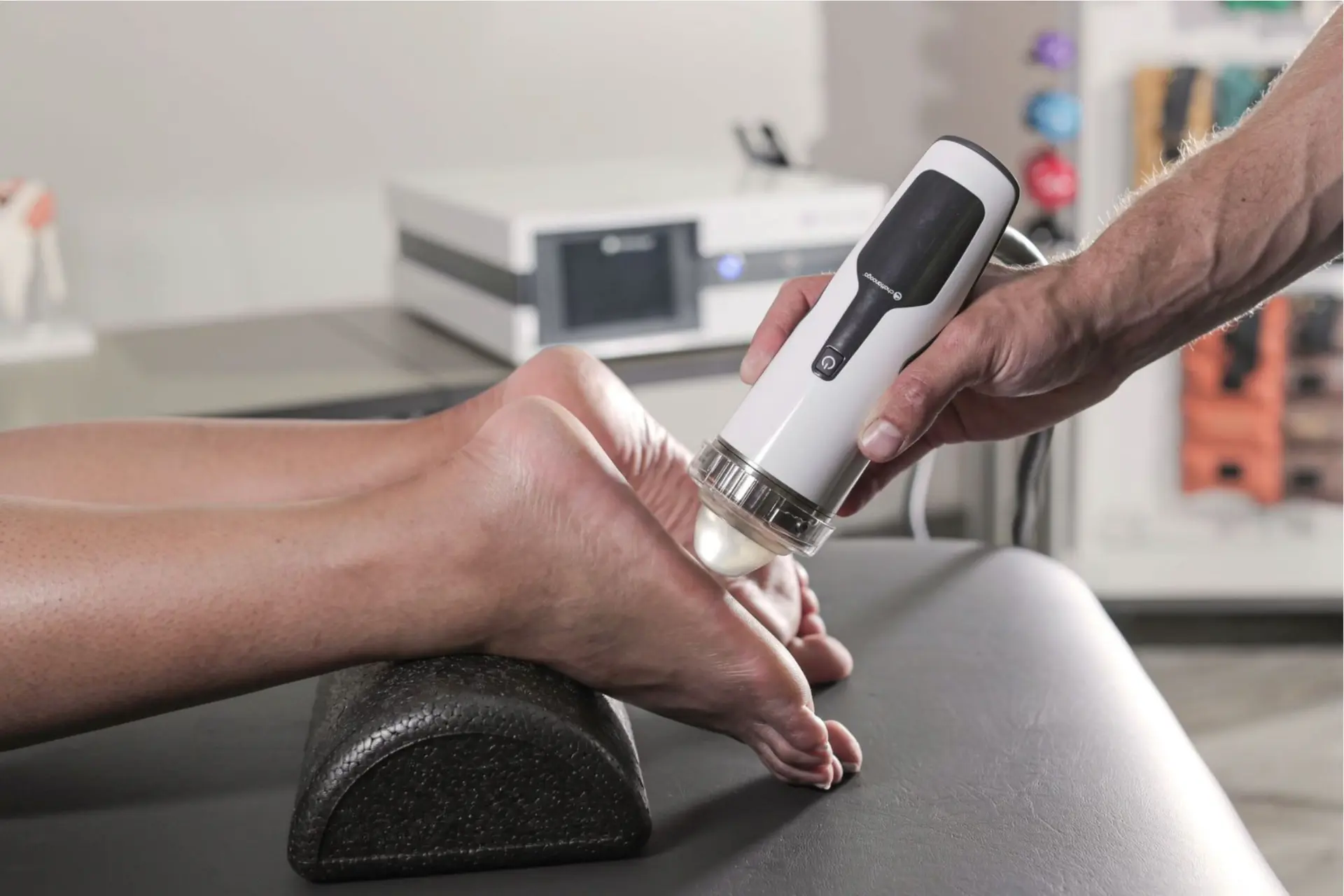
Extracorporeal shockwave therapy has been used as a non-invasive treatment option for selected established non-union fractures. However, suitability depends on the type and location of the non-union and the individual's clinical circumstances. Specialist assessment is important before considering this treatment.
If your case is considered suitable, our Advanced Clinical Pharmacist can discuss whether Focused Shockwave Therapy may be an appropriate option as part of your overall treatment plan.
Prevention
Not all cases of non-union can be prevented, but some factors associated with bone healing can be managed.
Helpful measures include:
- Follow the treatment and weight-bearing advice provided after a fracture
- Attend recommended follow-up appointments and imaging
- Avoid returning to high-impact activity before the fracture has sufficiently healed
- Avoid smoking, as it can negatively affect bone healing
- Maintain a balanced diet with adequate nutritional intake
- Follow your rehabilitation programme as advised
Seek assessment if pain or function is not improving as expected.
If you have persistent pain following a fracture or are concerned that a fracture is not healing as expected, seek assessment from a qualified healthcare professional.
Book your shockwave assessment.
Start with a £55 initial specialist assessment, or book treatment directly if you already have a confirmed diagnosis.
Other conditions treated with focused shockwave therapy
Plantar Fasciitis
Plantar fasciitis is a common cause of heel and foot pain. Here is what to look out for, how it is diagnosed, and the treatment options available — including focused shockwave therapy.
Learn more about plantar fasciitisTennis & Golfer's Elbow
Tennis elbow and golfer's elbow are common causes of pain around the elbow. Here is what to look out for, how they are diagnosed, and the treatment options available — including focused shockwave therapy.
Learn more about tennis & golfer's elbowAchilles Tendinopathy
Achilles tendinopathy is a common cause of pain and stiffness at the back of the ankle. Here is what to look out for, how it is diagnosed, and the treatment options available — including focused shockwave therapy.
Learn more about achilles tendinopathy