
Focused shockwave therapy for Erectile dysfunction (vasculogenic).
Vasculogenic erectile dysfunction is a common form of erectile dysfunction linked to reduced blood flow or changes in the blood vessels supplying the penis. Here is what to look out for, how it is assessed, and the treatment options available — including focused shockwave therapy.
What is vasculogenic erectile dysfunction?
Erectile dysfunction (ED) is the persistent difficulty getting or maintaining an erection that is sufficient for satisfactory sexual activity. When ED is primarily related to blood-vessel function, it is described as vasculogenic erectile dysfunction.
Healthy erections depend on adequate blood flow and normal function of the blood vessels. Conditions that affect vascular health can therefore contribute to difficulties achieving or maintaining an erection.
Symptoms
Symptoms of vasculogenic erectile dysfunction can include:
- Difficulty getting an erection
- Difficulty maintaining an erection during sexual activity
- Erections that are less firm than previously
- Erections that do not last long enough for satisfactory sexual activity
- A gradual change in erectile function
- Reduced confidence or increased worry about sexual performance
- Changes that occur alongside other cardiovascular or metabolic health concerns
Erectile dysfunction can have several contributing factors, including vascular, hormonal, neurological, medication-related and psychological factors. More than one factor can be present at the same time.
Causes
Vasculogenic erectile dysfunction can develop when the blood vessels or vascular system are affected by factors such as:
- High blood pressure
- Diabetes
- High cholesterol
- Cardiovascular disease
- Peripheral vascular disease
- Smoking
- Obesity
- Reduced physical activity
- Metabolic syndrome
- Other factors affecting vascular health
Because erectile dysfunction can be associated with cardiovascular risk factors, assessment may also provide an opportunity to review overall cardiovascular and metabolic health.
Diagnosis
Diagnosing erectile dysfunction involves understanding your symptoms, medical history, sexual health and any factors that may be contributing to the problem.
During an assessment, your clinician may discuss:
- When your symptoms started and how they have changed
- Your ability to achieve and maintain erections
- Relevant medical conditions and medications
- Lifestyle factors such as smoking, exercise and weight
- Cardiovascular and metabolic risk factors
- Hormonal or other symptoms that may be relevant
- Any psychological or relationship factors that may be contributing
A physical examination and appropriate blood tests may also be recommended. Validated questionnaires can be used to assess the severity of erectile dysfunction. Where a vascular cause is suspected, further assessment such as penile Doppler ultrasound may sometimes be considered.
If you're experiencing erectile difficulties, you can arrange a consultation with our Advanced Clinical Pharmacist to discuss your symptoms and have your concerns assessed.
Your Advanced Clinical Pharmacist can help identify possible contributing factors and discuss appropriate treatment options with you.
Treatment
Treatment for vasculogenic erectile dysfunction depends on the underlying causes, your general health and your individual circumstances.
Treatment options may include:
- Lifestyle changes: improving physical activity, weight management, stopping smoking and addressing other cardiovascular risk factors can help improve erectile function in some men
- Managing underlying health conditions: conditions such as high blood pressure, diabetes and high cholesterol should be appropriately managed
- PDE5 inhibitors: medicines such as sildenafil or tadalafil are commonly used as first-line medical treatment for erectile dysfunction when appropriate
- Other medical treatments: depending on individual circumstances, options can include topical or intra-urethral treatments, intracavernosal injections or vacuum erection devices
- Psychological support: psychological or relationship factors can contribute to ED, and appropriate support may be useful alongside medical treatment
- Focused Shockwave Therapy: low-intensity shockwave treatment may be considered for selected men with vasculogenic erectile dysfunction, particularly in cases of mild ED or where response to oral treatment is inadequate
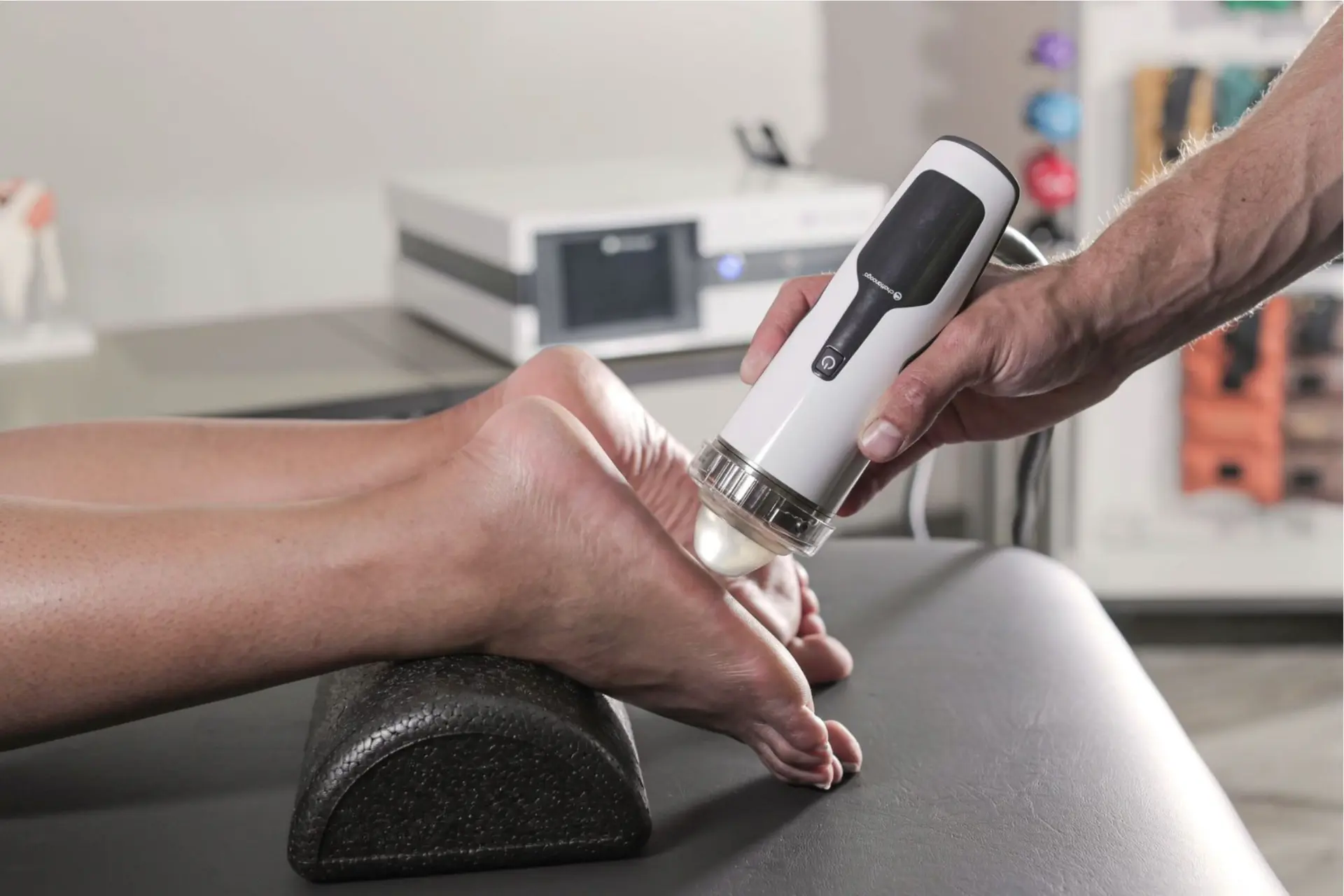
Focused Shockwave Therapy uses targeted acoustic waves delivered to specific areas to stimulate a local biological response. Low-intensity shockwave treatment has been studied in men with vasculogenic erectile dysfunction, with evidence suggesting a modest improvement in erectile function for some patients. The response can vary, and treatment is not appropriate for every cause or severity of ED.
Our Advanced Clinical Pharmacist can assess your symptoms and medical history and discuss whether Focused Shockwave Therapy may be appropriate for you as part of your treatment plan.
Prevention
Not all cases of erectile dysfunction can be prevented, but maintaining good cardiovascular and metabolic health can help reduce the risk of vascular problems that may contribute to ED.
Helpful measures include:
- Staying physically active
- Maintaining a healthy weight
- Not smoking
- Managing blood pressure, cholesterol and blood sugar
- Eating a balanced diet
- Limiting excessive alcohol intake
- Managing existing cardiovascular or metabolic conditions
- Seeking assessment if changes in erectile function persist
Because erectile dysfunction can be associated with cardiovascular risk factors, persistent changes in erectile function should not simply be dismissed as a normal part of ageing. Assessment can help identify potential underlying causes and appropriate treatment options.
If your symptoms are persistent, worsening or causing significant concern, speak with a qualified healthcare professional for an appropriate assessment.
Book your shockwave assessment.
Start with a £55 initial specialist assessment, or book treatment directly if you already have a confirmed diagnosis.
Other conditions treated with focused shockwave therapy
Plantar Fasciitis
Plantar fasciitis is a common cause of heel and foot pain. Here is what to look out for, how it is diagnosed, and the treatment options available — including focused shockwave therapy.
Learn more about plantar fasciitisTennis & Golfer's Elbow
Tennis elbow and golfer's elbow are common causes of pain around the elbow. Here is what to look out for, how they are diagnosed, and the treatment options available — including focused shockwave therapy.
Learn more about tennis & golfer's elbowAchilles Tendinopathy
Achilles tendinopathy is a common cause of pain and stiffness at the back of the ankle. Here is what to look out for, how it is diagnosed, and the treatment options available — including focused shockwave therapy.
Learn more about achilles tendinopathy