
Focused shockwave therapy for Diabetic foot.
Diabetes can affect the nerves, blood vessels and skin of the feet, increasing the risk of foot problems such as loss of sensation, ulcers, infection and poor wound healing. Here is what to look out for, how diabetic foot problems are assessed, and the treatment options available.
What is diabetic foot?
“Diabetic foot” describes a range of foot problems that can occur in people with diabetes. These can develop when diabetes affects sensation, circulation or the way pressure is distributed through the foot.
Problems can include nerve damage (neuropathy), reduced blood supply, calluses, skin breakdown, foot ulcers, infection and changes in the structure of the foot.
Symptoms
Diabetic foot problems can present in different ways, and reduced sensation may mean that an injury is not painful.
Symptoms and signs can include:
- Numbness or reduced sensation in the feet
- Tingling, burning or altered sensation
- Pain or unusual sensitivity
- Dry, cracked or damaged skin
- Calluses or areas of thickened skin
- Blisters, cuts or other breaks in the skin
- A wound or ulcer that does not heal normally
- Redness, warmth or swelling
- Changes in the colour or temperature of the foot
- Discharge or an unpleasant smell from a wound
- Changes in the shape or structure of the foot
- Difficulty walking or putting weight through the foot
A diabetic foot ulcer may develop without significant pain, particularly when peripheral neuropathy has reduced sensation.
Causes
Diabetic foot problems can develop through a combination of factors associated with diabetes, including:
- Peripheral neuropathy: reduced sensation can make it harder to notice cuts, blisters, pressure or other injuries
- Reduced circulation: peripheral arterial disease can reduce blood flow to the foot and affect wound healing
- Repeated pressure: abnormal pressure or loading can contribute to calluses and skin breakdown
- Foot deformity: changes in foot structure can increase pressure on particular areas
- Previous ulcers: a previous diabetic foot ulcer increases the risk of developing another
- Poorly fitting footwear: shoes that create excessive pressure or friction can contribute to skin damage
- Infection: a break in the skin can become infected and may require urgent treatment
Several risk factors can occur together, increasing the likelihood of developing a diabetic foot problem.
Diagnosis
Assessment of a diabetic foot problem involves looking at the skin, circulation, sensation and structure of the foot, as well as identifying any wound or signs of infection.
During your assessment, your clinician may consider:
- Your diabetes history and blood glucose management
- Previous foot ulcers or other foot problems
- Any changes in sensation, pain or temperature
- The condition of the skin and nails
- Calluses, pressure areas or deformities
- The presence and characteristics of any ulcer or wound
- Foot pulses and other signs of circulation
- Signs of infection
- Your footwear and walking pattern
- Your risk of developing future foot complications
Further investigations may be required depending on the findings. These can include vascular assessment, imaging, wound assessment or tests to determine whether an infection has affected deeper tissues or bone.
If you have diabetes and are experiencing changes in your feet, you can arrange a consultation with our Advanced Clinical Pharmacist to discuss your symptoms and have the affected area assessed.
Your Advanced Clinical Pharmacist can help identify potential risk factors, assess the foot and discuss appropriate treatment or referral where required.
Treatment
Treatment depends on the type and severity of the diabetic foot problem.
Treatment may include:
- Foot care: regular assessment and appropriate management of the skin, nails and calluses can help reduce the risk of complications
- Offloading: reducing pressure on an ulcer or vulnerable area is an important part of managing many diabetic foot ulcers
- Wound care: diabetic foot ulcers require appropriate wound assessment and ongoing management
- Infection management: suspected diabetic foot infection requires appropriate clinical assessment and treatment. Antibiotics may be required when infection is present
- Circulation assessment: where reduced blood flow is suspected, vascular assessment and treatment may be necessary
- Footwear: appropriate footwear or specialist devices may help reduce pressure and protect vulnerable areas
- Blood glucose management: good diabetes management forms an important part of reducing the risk of complications
- Rehabilitation: where appropriate, exercise and rehabilitation can help address mobility, strength and functional problems
- Specialist diabetic foot care: more complex ulcers, infections, ischaemia or structural problems may require multidisciplinary specialist management
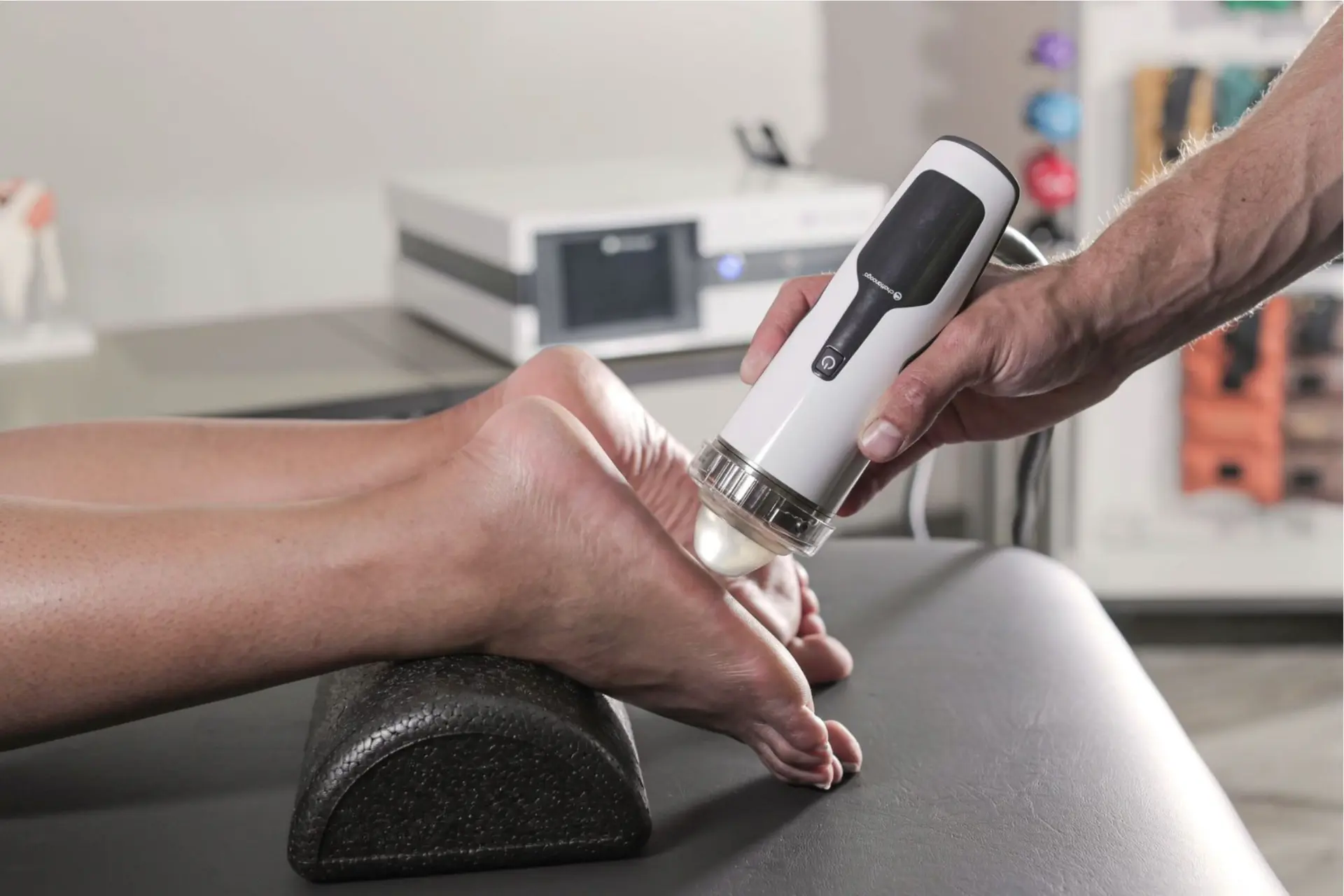
Focused Shockwave Therapy is not a routine treatment for diabetic foot ulcers or wound healing. The 2023 IWGDF wound-healing guideline recommends against physical therapies, including extracorporeal shockwave therapy, for the management of diabetes-related foot ulcers because the available evidence does not support their use.
If a person with diabetes has a foot problem alongside a separate musculoskeletal condition, the suitability of Focused Shockwave Therapy would need to be considered separately following an appropriate clinical assessment.
Prevention
Regular foot care is an important part of living with diabetes and can help identify problems before they become more serious.
Helpful measures include:
- Check your feet regularly for cuts, blisters, redness, swelling or changes in the skin
- Check for areas of pressure or rubbing from footwear
- Keep your feet clean and moisturised, while avoiding moisturiser between the toes
- Wear well-fitting footwear and appropriate socks
- Avoid walking barefoot, particularly if sensation is reduced
- Have your feet assessed regularly according to your level of diabetic foot risk
- Manage diabetes and other cardiovascular risk factors as advised by your healthcare team
- Do not attempt to remove corns or calluses yourself using blades or chemical treatments
- Seek advice promptly if you notice a new wound, ulcer or significant change in your foot
A diabetic foot problem can become serious quickly. Seek urgent medical assessment if you have a new foot ulcer with signs of infection, rapidly increasing redness or swelling, significant reduction in circulation, gangrene, a hot, red or swollen foot suggesting possible Charcot foot, or a wound associated with fever or feeling systemically unwell. NICE advises immediate acute assessment for limb-threatening or life-threatening diabetic foot problems.
Book your shockwave assessment.
Start with a £55 initial specialist assessment, or book treatment directly if you already have a confirmed diagnosis.
Other conditions treated with focused shockwave therapy
Plantar Fasciitis
Plantar fasciitis is a common cause of heel and foot pain. Here is what to look out for, how it is diagnosed, and the treatment options available — including focused shockwave therapy.
Learn more about plantar fasciitisTennis & Golfer's Elbow
Tennis elbow and golfer's elbow are common causes of pain around the elbow. Here is what to look out for, how they are diagnosed, and the treatment options available — including focused shockwave therapy.
Learn more about tennis & golfer's elbowAchilles Tendinopathy
Achilles tendinopathy is a common cause of pain and stiffness at the back of the ankle. Here is what to look out for, how it is diagnosed, and the treatment options available — including focused shockwave therapy.
Learn more about achilles tendinopathy