
Focused shockwave therapy for CPPS / chronic abacterial prostatitis.
Chronic pelvic pain syndrome (CPPS), also commonly referred to as chronic abacterial prostatitis, is a condition associated with persistent or recurring pain in and around the prostate and pelvis. Here is what to look out for, how it is diagnosed, and the treatment options available — including focused shockwave therapy.
What is CPPS / chronic abacterial prostatitis?
CPPS is a chronic pain condition affecting the prostate and surrounding pelvic region. Despite the term “prostatitis”, there is often no proven bacterial infection causing the symptoms.
Current terminology commonly refers to this condition as primary prostate pain syndrome (PPPS). Symptoms may involve the prostate, perineum, lower abdomen, penis, testicles or rectal area and can occur alongside urinary or sexual symptoms.
Symptoms
Symptoms can vary from person to person and may include:
- Pain or discomfort in the pelvic area
- Pain around the prostate or perineum
- Pain in the lower abdomen
- Pain or discomfort in the penis or testicles
- Rectal or anal discomfort
- Pain during or after ejaculation
- Discomfort during or after urination
- Increased urinary frequency or urgency
- Difficulty starting or maintaining urinary flow
- Erectile or other sexual difficulties
- Symptoms that come and go or persist for prolonged periods
- Reduced quality of life or increased distress related to persistent symptoms
Symptoms may fluctuate over time, and several different factors can contribute to the experience of chronic pelvic pain.
Causes
There is no single known cause of CPPS. Unlike bacterial prostatitis, there is no proven infection responsible for the symptoms in primary prostate pain syndrome.
Factors that may contribute include:
- Pelvic floor muscle tension or dysfunction
- Musculoskeletal or myofascial pain
- Changes in how the nervous system processes pain
- Urinary symptoms or bladder dysfunction
- Sexual or ejaculatory symptoms
- Previous pelvic or urological problems
- Psychological or emotional factors that can influence persistent pain
- Other chronic pain conditions
More than one factor may be involved, which is why treatment is often tailored to the individual's symptoms and contributing factors rather than focused on a single cause.
Diagnosis
There is no single test that confirms CPPS. Diagnosis involves assessing the symptoms and excluding infections or other conditions that could be causing similar problems.
During your assessment, your clinician may discuss:
- The location, duration and pattern of your pain
- Urinary symptoms and changes in urinary function
- Sexual symptoms and ejaculation-related pain
- Previous infections or urological conditions
- Pelvic floor or musculoskeletal symptoms
- Previous treatments and their effectiveness
- How symptoms affect your daily activities and quality of life
Your Advanced Clinical Pharmacist may perform an appropriate physical examination, including assessment of the abdomen, pelvis and prostate where clinically indicated. Urine or other tests may be recommended to help exclude infection or another underlying condition. Validated questionnaires such as the NIH Chronic Prostatitis Symptom Index (NIH-CPSI) may also be used to assess symptoms and monitor treatment response.
If you're experiencing persistent pelvic or prostate-area pain, you can arrange a consultation with our Advanced Clinical Pharmacist to discuss your symptoms and have the affected area assessed.
Your Advanced Clinical Pharmacist can help identify possible contributing factors, rule out other causes where appropriate and discuss suitable treatment options with you.
Treatment
Treatment for CPPS is usually tailored to the individual's symptoms and may involve several approaches rather than a single treatment.
Treatment options may include:
- Pelvic floor physiotherapy: assessment and treatment of pelvic floor muscle tension, trigger points and other muscular contributors may be appropriate for selected patients
- Musculoskeletal rehabilitation: exercises, mobility work and other rehabilitation strategies may help where muscular or movement-related factors contribute to symptoms
- Pain relief: anti-inflammatory or other pain-relieving medication may be considered where appropriate
- Alpha-blockers: these medicines may be considered for some patients, particularly where urinary symptoms are present and the clinical assessment indicates they may be beneficial
- Antibiotics: antibiotics are not appropriate for every case because CPPS does not involve a proven bacterial infection. In selected treatment-naïve patients, a trial may be considered by a clinician depending on the duration and presentation of symptoms
- Psychological support: where persistent pain is associated with significant distress or other psychological factors, appropriate psychological support can form part of a broader treatment plan
- Lifestyle and self-management: activity, stress management, sleep, hydration and identification of individual symptom triggers may form part of an overall management strategy
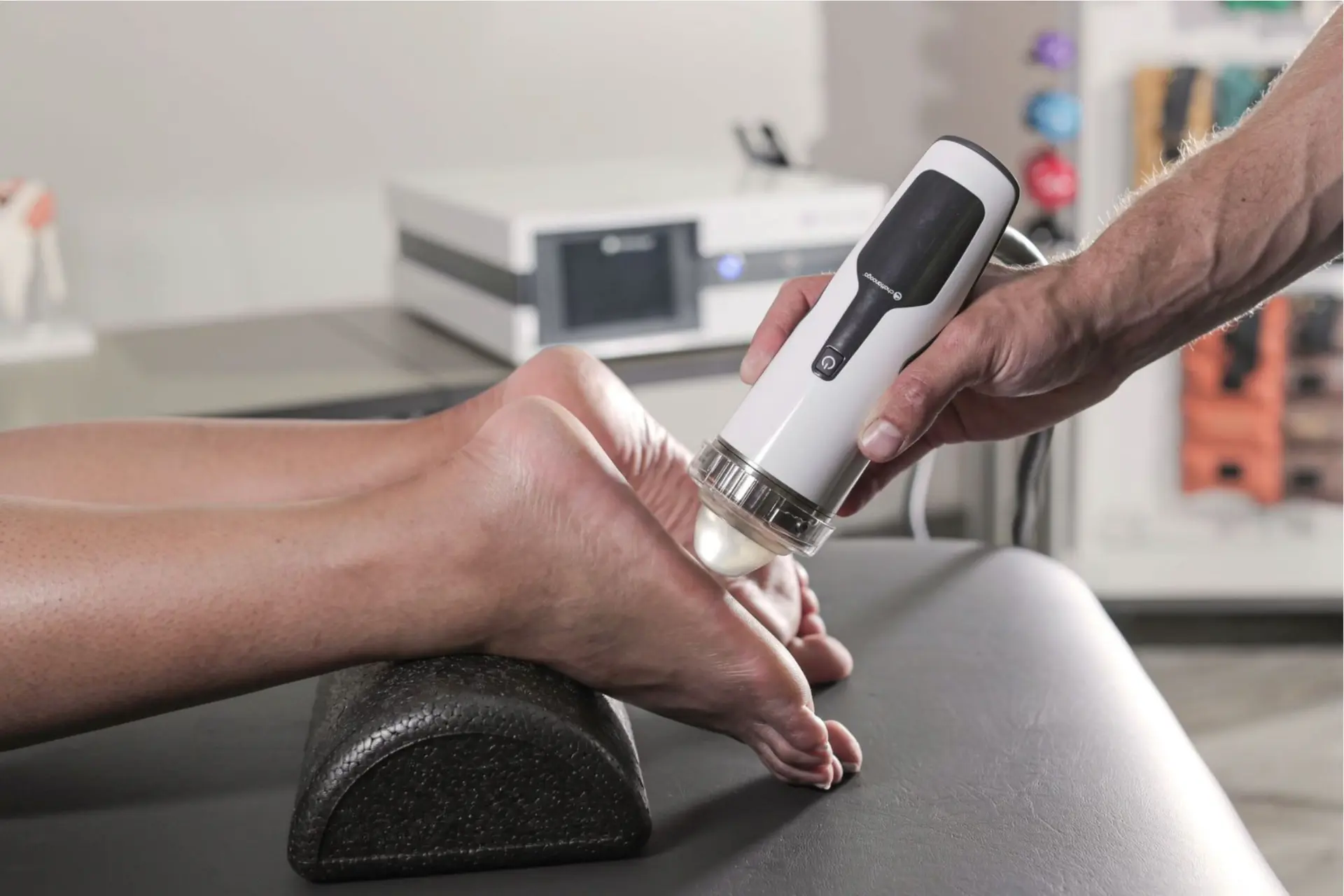
- Focused Shockwave Therapy: extracorporeal shockwave therapy may be considered as part of a multimodal treatment plan for selected patients with persistent prostate/pelvic pain. Current EAU guidance reports evidence suggesting a short-term benefit
Focused Shockwave Therapy uses targeted acoustic waves delivered to specific areas to produce a local therapeutic response.
Extracorporeal shockwave therapy has been studied in men with chronic pelvic/prostate pain, with current EAU guidance describing it as probably effective over the short term for primary prostate pain syndrome. However, response can vary between individuals, and treatment should be considered as part of a broader assessment rather than as a treatment for an underlying bacterial infection.
Our Advanced Clinical Pharmacist can assess your symptoms and discuss whether Focused Shockwave Therapy may be appropriate for you as part of an individualised treatment plan.
Prevention
Because CPPS does not have one clearly defined cause, there is no guaranteed way to prevent it. However, maintaining general pelvic and physical health may help reduce symptoms or manage recurrences.
Helpful measures may include:
- Staying physically active within your tolerance
- Avoiding prolonged periods of inactivity or sitting where these aggravate symptoms
- Maintaining appropriate pelvic floor relaxation and mobility
- Addressing recurring urinary or sexual symptoms
- Managing stress and maintaining good sleep
- Gradually increasing physical activity rather than making sudden changes
- Seeking assessment for persistent or recurrent pelvic pain
- Following an individualised rehabilitation or treatment plan where symptoms have already developed
If you develop persistent pelvic pain, urinary symptoms, blood in the urine or semen, fever, significant difficulty passing urine or other new or worsening symptoms, seek assessment from a qualified healthcare professional.
Book your shockwave assessment.
Start with a £55 initial specialist assessment, or book treatment directly if you already have a confirmed diagnosis.
Other conditions treated with focused shockwave therapy
Plantar Fasciitis
Plantar fasciitis is a common cause of heel and foot pain. Here is what to look out for, how it is diagnosed, and the treatment options available — including focused shockwave therapy.
Learn more about plantar fasciitisTennis & Golfer's Elbow
Tennis elbow and golfer's elbow are common causes of pain around the elbow. Here is what to look out for, how they are diagnosed, and the treatment options available — including focused shockwave therapy.
Learn more about tennis & golfer's elbowAchilles Tendinopathy
Achilles tendinopathy is a common cause of pain and stiffness at the back of the ankle. Here is what to look out for, how it is diagnosed, and the treatment options available — including focused shockwave therapy.
Learn more about achilles tendinopathy