
Focused shockwave therapy for Chronic myofascial & low back pain.
Chronic low back pain persists or recurs over an extended period, and muscles and surrounding connective tissues can contribute to ongoing pain and tenderness. Here is what to look out for, how it is assessed, and the treatment options available — including focused shockwave therapy.
What is chronic myofascial & low back pain?
Chronic low back pain can arise from a range of different factors involving the muscles, joints, discs and other structures in the lower back.
Myofascial pain specifically refers to pain associated with muscles and the surrounding fascia. It can involve areas of muscle that feel tight, tender or painful and may contribute to ongoing discomfort and restricted movement.
Symptoms
Symptoms of chronic myofascial and low back pain can vary between individuals and may include:
- Persistent or recurring pain in the lower back
- Aching, tightness or tenderness in the back muscles
- Muscle stiffness, particularly after periods of inactivity
- Pain that may increase with prolonged sitting or standing
- Discomfort during certain movements or activities
- Reduced flexibility or range of movement
- Pain that may spread into the buttocks or surrounding areas
- Muscle sensitivity or tender areas that reproduce familiar pain
The pattern and severity of symptoms can vary depending on the underlying cause.
Causes
Chronic low back pain can have many different causes, and in some cases there is no single identifiable cause.
Factors that may contribute to myofascial and low back pain include:
- Repetitive physical activity or overloading
- Prolonged sitting or standing
- Reduced strength or conditioning
- Poor recovery following physical activity
- Previous injury
- Repetitive movements or occupational demands
- Reduced mobility
- Muscle tension and sensitivity
- Changes in activity levels
Other conditions affecting the spine, nerves, joints or other structures can also cause low back pain, which is why an appropriate assessment is important.
Diagnosis
Chronic low back pain is usually assessed through a detailed clinical assessment.
During a consultation, your clinician will discuss your symptoms, medical history, activity levels and any previous injuries before assessing your back and movement.
They may assess:
- The location and nature of your pain
- Your spinal and hip movement
- Muscle strength and flexibility
- Areas of muscle tenderness or sensitivity
- Your posture and movement patterns
- How your symptoms respond to different movements or loads
- Whether there are any symptoms that require further investigation
Imaging is not always necessary for chronic low back pain. However, further investigations may sometimes be recommended if your symptoms suggest an underlying condition that requires additional assessment.
If you're experiencing persistent or recurring low back pain, you can arrange a consultation with our Advanced Clinical Pharmacist to discuss your symptoms and have the affected area assessed. Your Advanced Clinical Pharmacist can help identify potential contributing factors and discuss appropriate treatment options with you.
Treatment
Treatment for chronic myofascial and low back pain depends on the underlying cause, your symptoms and how they affect your daily activities.
Treatment may include:
- Activity modification: adapting activities that aggravate your symptoms while maintaining appropriate movement
- Exercise and strengthening: improving the strength and capacity of the muscles supporting the back and lower body
- Mobility exercises: maintaining or improving movement in the spine, hips and surrounding areas
- Physiotherapy: an individualised programme can help address contributing factors and improve function
- Movement and activity advice: gradually building tolerance to activities that have become difficult or painful
- Pain management: appropriate pain-relieving medication may help with symptoms; speak to a pharmacist or healthcare professional if you're unsure what is suitable for you
- Focused Shockwave Therapy: may be considered for selected patients where muscular or myofascial pain is contributing to their symptoms
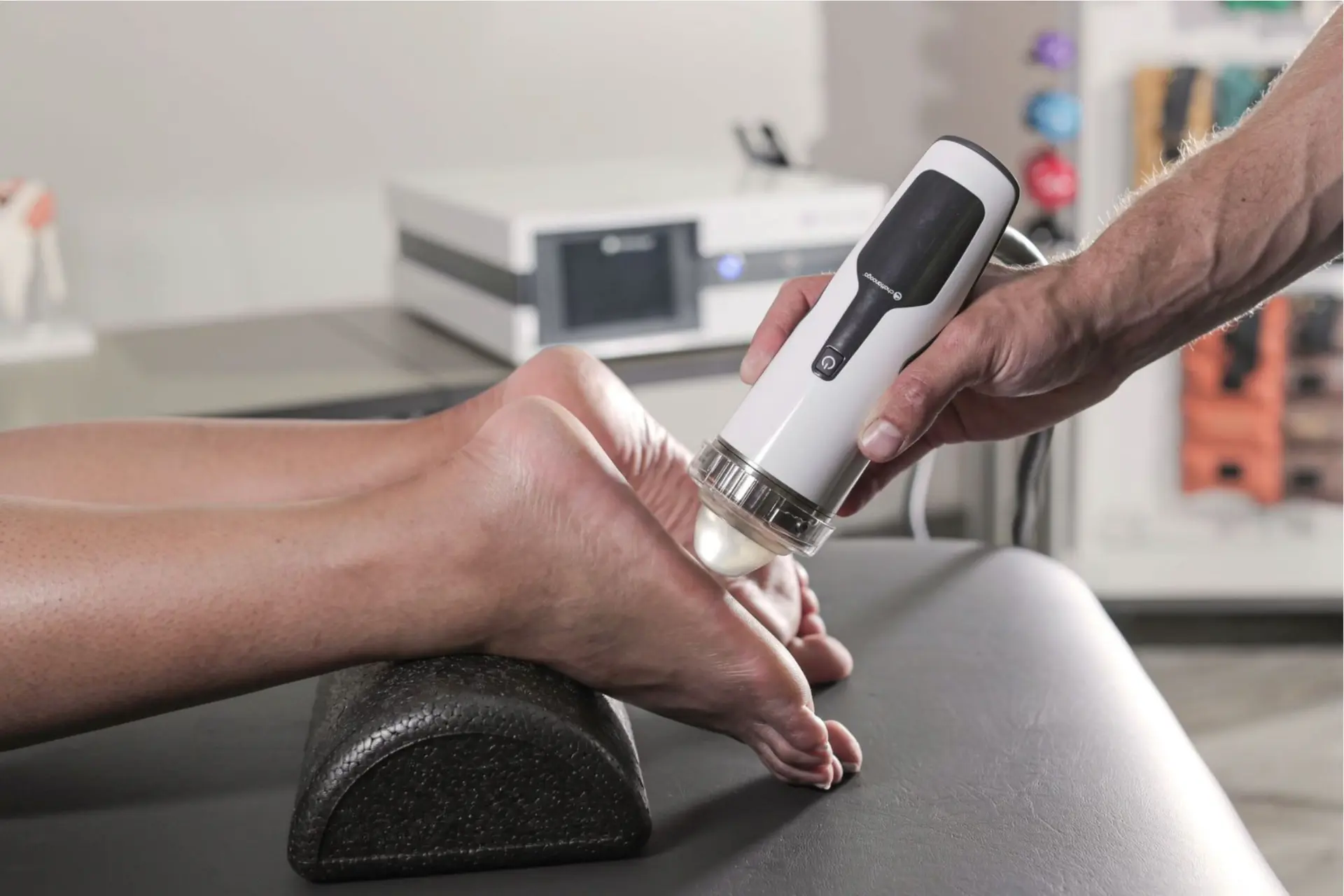
Focused Shockwave Therapy uses targeted acoustic waves to deliver treatment to a specific area.
It may be considered for some people where myofascial or muscular pain is identified as a contributing factor, depending on their individual assessment and treatment needs.
Our Advanced Clinical Pharmacist can assess your symptoms and determine whether Focused Shockwave Therapy may be appropriate for you as part of a broader treatment plan.
Prevention
Not all chronic low back pain can be prevented, but maintaining strength, mobility and regular activity can help support a healthy back.
Helpful measures include:
- Stay regularly active and avoid prolonged periods of inactivity
- Build physical activity gradually
- Strengthen your core, back, hip and lower-limb muscles
- Take regular movement breaks if you spend long periods sitting
- Avoid sudden increases in physically demanding activities
- Allow adequate recovery following strenuous activity
- Maintain good general physical conditioning
- Address recurring or persistent back pain rather than repeatedly ignoring it
If you develop severe or worsening back pain, significant weakness or numbness, or changes to bladder or bowel function, seek urgent medical assessment.
Book your shockwave assessment.
Start with a £55 initial specialist assessment, or book treatment directly if you already have a confirmed diagnosis.
Other conditions treated with focused shockwave therapy
Plantar Fasciitis
Plantar fasciitis is a common cause of heel and foot pain. Here is what to look out for, how it is diagnosed, and the treatment options available — including focused shockwave therapy.
Learn more about plantar fasciitisTennis & Golfer's Elbow
Tennis elbow and golfer's elbow are common causes of pain around the elbow. Here is what to look out for, how they are diagnosed, and the treatment options available — including focused shockwave therapy.
Learn more about tennis & golfer's elbowAchilles Tendinopathy
Achilles tendinopathy is a common cause of pain and stiffness at the back of the ankle. Here is what to look out for, how it is diagnosed, and the treatment options available — including focused shockwave therapy.
Learn more about achilles tendinopathy