
Focused shockwave therapy for Cellulite.
Cellulite is a common change in the appearance and texture of the skin, most often affecting the thighs, buttocks, hips and abdomen. It can create a dimpled or uneven appearance and can occur in people of different body shapes and sizes.
What is cellulite?
Cellulite is the dimpled or uneven appearance of the skin that occurs when underlying fat tissue interacts with connective tissue beneath the skin.
It is extremely common, particularly after puberty, and is influenced by the structure of connective tissue, fat distribution, skin characteristics and other individual factors. Cellulite is not simply a result of being overweight.
Symptoms
Cellulite is primarily identified by changes in the appearance and texture of the skin.
Common features include:
- Dimpling or an uneven skin surface
- A “peau d'orange” or orange-peel appearance
- Small depressions in the skin
- Skin that appears less smooth when standing
- More noticeable dimpling when the skin is compressed
- Cellulite affecting the thighs, buttocks, hips or abdomen
- Areas of skin that appear slightly firmer or softer than surrounding tissue
Cellulite is generally painless and does not usually cause functional problems. The degree of visible cellulite can vary between individuals and can change over time.
Causes
Cellulite is thought to result from several factors that affect the tissues beneath the skin.
Contributing factors can include:
- Connective tissue structure: the way fibrous connective tissue attaches the skin to deeper tissues can influence the appearance of dimpling
- Fat distribution: the amount and distribution of subcutaneous fat can affect how cellulite appears
- Skin elasticity: changes in skin structure and elasticity can make unevenness more visible
- Hormonal factors: hormones are thought to influence fat distribution and connective tissue
- Age: changes in skin elasticity and connective tissue can make cellulite more noticeable over time
- Genetics: genetic factors can influence body shape, skin structure, fat distribution and the likelihood of developing visible cellulite
- Lifestyle factors: physical activity, muscle tone and changes in body weight may influence its appearance, although cellulite can occur regardless of fitness or body weight
Cellulite is multifactorial, meaning there is no single cause that explains why one person develops more visible cellulite than another.
Diagnosis
Cellulite is usually identified through a visual and physical assessment of the affected area.
During your assessment, your Advanced Clinical Pharmacist may discuss:
- Which areas you would like assessed
- When you first noticed changes in skin appearance
- Whether the appearance has changed over time
- Any previous cellulite treatments
- Your general health and relevant medical history
- Your expectations and desired treatment outcome
Your Advanced Clinical Pharmacist may examine the skin while standing and, where appropriate, assess the affected area under different conditions to understand the degree and distribution of cellulite.
If you're concerned about the appearance of cellulite, you can arrange a consultation with our Advanced Clinical Pharmacist to discuss your concerns and have the affected area assessed.
Your Advanced Clinical Pharmacist can help determine whether Focused Shockwave Therapy may be an appropriate option for you and discuss what you may realistically expect from treatment.
Treatment
There is no single treatment that permanently removes cellulite, and results can vary between individuals. Treatment is generally focused on improving the appearance and texture of the affected skin.
Treatment options may include:
- Lifestyle and physical activity: regular physical activity and maintaining a stable, healthy weight may help support overall body composition and muscle tone
- Strength training: building muscle beneath areas affected by cellulite may improve overall contour and appearance in some people
- Topical treatments: some topical products have been studied for cellulite, although results vary and evidence for many products is limited
- Massage and mechanical treatments: these may temporarily alter the appearance of cellulite in some individuals
- Energy-based treatments: radiofrequency, laser and other technologies have been investigated for improving cellulite, with varying levels of evidence
- Subcision and injectable treatments: selected cosmetic procedures can target the connective tissue structures contributing to skin dimpling
- Focused Shockwave Therapy: acoustic/shockwave therapy has been studied as a non-invasive approach to improving the appearance of cellulite, with clinical trials and recent systematic reviews reporting improvements in cellulite severity for some patients
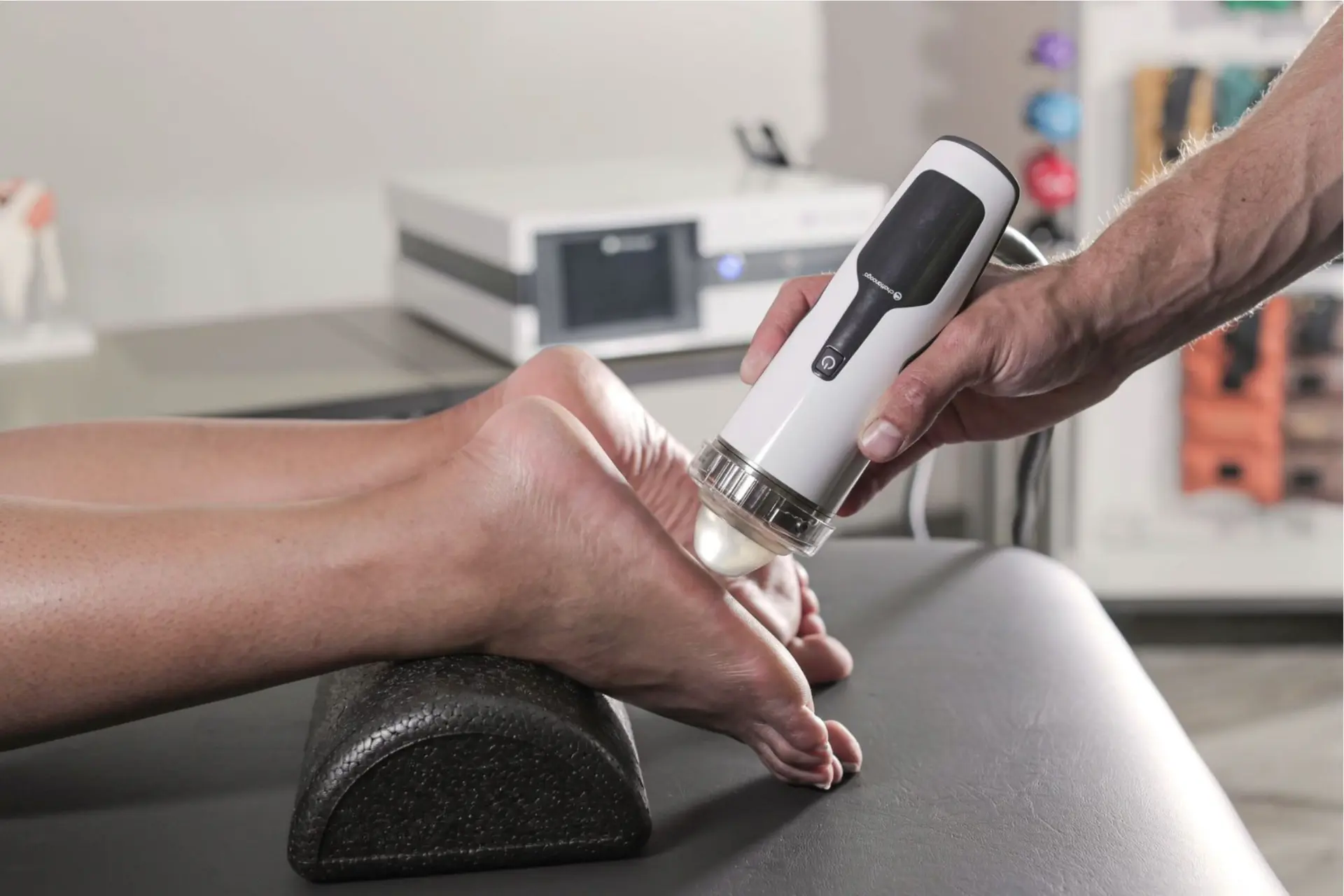
Focused Shockwave Therapy uses targeted acoustic waves delivered to the affected areas.
Shockwave therapy has been investigated for cellulite and has shown promising results in clinical studies, including improvements in the visible appearance and severity of cellulite. However, research protocols vary, and the duration of benefit and long-term effectiveness are not yet fully established.
Treatment response can vary depending on factors such as the severity and distribution of cellulite and individual skin and tissue characteristics.
Our Advanced Clinical Pharmacist can assess the areas you are concerned about and discuss whether Focused Shockwave Therapy may be suitable for you, as well as what you can realistically expect from treatment.
Prevention
Cellulite cannot always be prevented because genetics, connective tissue structure, hormones and other individual factors all play a role.
However, measures that may help support healthy skin and body composition include:
- Staying physically active
- Including strength training in your exercise routine
- Maintaining a stable, healthy weight
- Eating a balanced diet
- Staying adequately hydrated
- Avoiding significant fluctuations in body weight where possible
- Looking after your skin and maintaining good general health
It is important to remember that cellulite can occur in people who are lean, active and otherwise healthy. Its presence does not necessarily indicate poor health or lack of fitness.
If you are concerned about changes in your skin or have an area that is painful, swollen, red or changing rapidly, seek assessment from a qualified healthcare professional, as these features are not typical of uncomplicated cellulite.
Book your shockwave assessment.
Start with a £55 initial specialist assessment, or book treatment directly if you already have a confirmed diagnosis.
Other conditions treated with focused shockwave therapy
Plantar Fasciitis
Plantar fasciitis is a common cause of heel and foot pain. Here is what to look out for, how it is diagnosed, and the treatment options available — including focused shockwave therapy.
Learn more about plantar fasciitisTennis & Golfer's Elbow
Tennis elbow and golfer's elbow are common causes of pain around the elbow. Here is what to look out for, how they are diagnosed, and the treatment options available — including focused shockwave therapy.
Learn more about tennis & golfer's elbowAchilles Tendinopathy
Achilles tendinopathy is a common cause of pain and stiffness at the back of the ankle. Here is what to look out for, how it is diagnosed, and the treatment options available — including focused shockwave therapy.
Learn more about achilles tendinopathy